
Key Takeaways
- Dry needling is a modern, Western practice focused on relieving muscle pain and mobility issues.
- Acupuncture is an ancient Chinese practice based on the concept of balancing the body’s energy flow.
- The two techniques differ in needle placement, practitioner training, and duration of needle insertion.
- Dry needling targets specific trigger points, while acupuncture focuses on meridians and energy pathways.
- Dry needling practitioners are typically physical therapists or other healthcare professionals, while acupuncturists undergo extensive training in traditional Chinese medicine.
- Both dry needling and acupuncture can help with chronic pain.
Understanding Dry Needling and Acupuncture
Two big ways to help with pain and muscle tension are dry needling and acupuncture. They both use needles but work in different ways to relieve muscle discomfort.
Dry Needling: Trigger Point Therapy
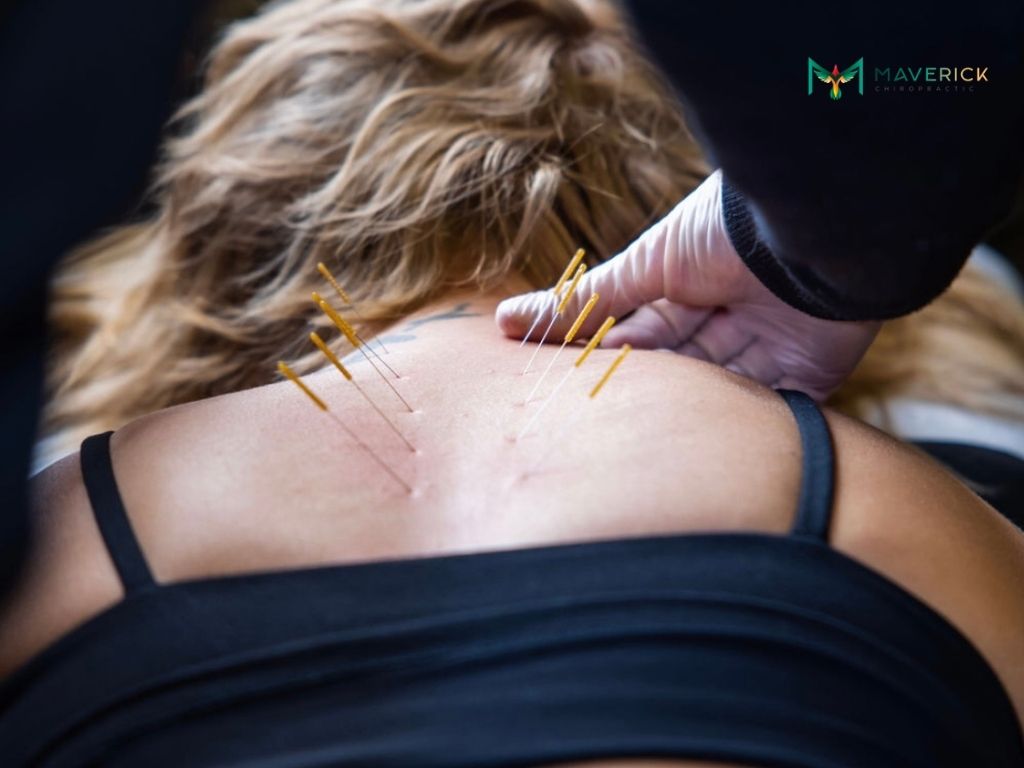
Dry needling helps with muscle tension and pain. Licensed physical therapists use thin needles to target trigger points in tight, painful muscles. This reduces tightness, improves blood flow, and relieves chronic pain and muscle discomfort.
Acupuncture: Traditional Chinese Medicine
Acupuncture, from traditional Chinese medicine, uses needles at specific body points to release endorphins and affect the nervous system. These points are on meridians connecting to organs. While both dry needling and acupuncture use needles, they differ in methods, ideas, and uses, aiding treatment choices.
Origins and Philosophies
Acupuncture, from traditional Chinese medicine since 100 BCE, aims to fix energy flow (qi) using specific points. Dry needling, started in the 1940s by Western doctors, targets pain from trigger points based on Western medical principles. Both activate the central nervous system for broader nerve or muscle issues. Despite using thin needles, their differing philosophies and origins affect their methods, effectiveness, and treatment focuses.
Dry Needling vs Acupuncture: Key Differences Explained
Needle Placement and Targets
Dry needling and acupuncture use needles in different ways. Acupuncture puts needles in acupuncture points along energy paths. These points might not directly help with the issue you have.
Dry needling puts needles in specific spots called a trigger point. These spots are where muscle discomfort is causing problems. The in-and-out technique involves rapid insertion and removal of the needle without leaving it in the skin for an extended period. The goal is to help the muscle respond better and work with the electrical stimulation of the nervous system. The non-trigger points technique involves inserting needles in areas around the point of pain, addressing the central nervous system.
Practitioner Training and Regulation
Training and rules for dry needling and acupuncture differ. Acupuncture, with strict U.S. rules, requires extensive training and certification and effectively reduces neck pain. Dry needling, with less strict rules, is performed by physical therapists and healthcare providers with less training, differing in needle placement and purpose.
Conclusion
Dry needling and acupuncture both use needles but for different reasons. Dry needling, a Western method, relieves muscle pain and improves movement. Acupuncture, an ancient Chinese practice, balances energy. Both have different training and rules but can help with pain, tension, and headaches.

At Maverick Chiropractic, we offer comprehensive dry needling and acupuncture services.
Consult a doctor to choose the best option for you and find relief from pain.
FAQ
What is the difference between dry needling and acupuncture?
Dry needling & acupuncture both use thin, stainless-steel needles. But they are different in many ways. Dry needling is a modern method from the West. It helps with muscle pain and getting things moving better.
Acupuncture is an old Chinese method. It tries to balance the body’s energy flow.
How does dry needling work?
Dry needling goes after myofascial trigger points. These are stiff spots in the tissue that can make muscles and joints stiff. The needles make the muscles twitch or contract.
This can make the muscles less tight, improve blood flow, and lessen pain.
How does acupuncture work?
Acupuncture is an old Chinese way to keep the body balanced. It uses needles in certain spots to help the energy flow right. These spots are on paths that connect to different organs.
What are the key differences in needle placement and targets?
Acupuncture puts needles in special spots along paths of energy. Dry needling aims at specific spots or areas of muscle tension that cause problems.
What are the differences in practitioner training and regulation?
Acupuncture has strict rules and training for its practitioners. They need a lot of education and a special certification. Dry needling has less rules, and what training is needed can change by state.