
Scoliosis, a condition marked by a sideways curvature of the spine, can range from mild to severe and its symptoms can interfere with daily life for many people. While traditional treatment options include observation, bracing, or surgery (depending on the severity and progression), some individuals explore chiropractic care as a non-invasive approach to manage scoliosis symptoms.
But can chiropractic treatment really help with scoliosis? What kind of results should you expect, and is it safe? As the leading Chiropractor in Naperville we understand how important it is to evaluate all your options.
Here’s what you need to know.
What Is Scoliosis?
Scoliosis is a musculoskeletal condition where the spine curves sideways in an “S” or “C” shape. It typically appears in childhood or adolescence but can also develop in adults due to spinal degeneration, injury, or unknown causes (a form known as idiopathic scoliosis).
Common symptoms include:
- Uneven shoulders or hips
- Visible curvature of the spine
- Back or neck pain
- Muscle tightness or imbalance
- Fatigue after standing or walking
- In some cases, nerve pain or reduced lung function
Mild cases may not require intervention, while more advanced cases can require more active management.
Can Chiropractic Care Help Treat Scoliosis?
Chiropractic care does not “cure” scoliosis or reverse the curvature of the spine. However, many people with scoliosis seek chiropractic treatment to reduce pain, improve posture, and support spinal mobility. Chiropractic adjustments may also improve the quality of life for some scoliosis patients by addressing muscular imbalances and joint restrictions that result from uneven spinal loading.
At our Chiropractor clinic in Naperville focus on symptom relief, functional improvement, and long-term spinal health. While chiropractic care should not replace traditional orthopedic management in severe or rapidly progressing scoliosis, it may serve as a complementary therapy, especially for those with mild to moderate symptoms.
What Does Chiropractic Scoliosis Treatment Involve?
Chiropractic scoliosis treatment typically involves several components, tailored to the individual’s curvature, symptoms, and goals.
Spinal Adjustments
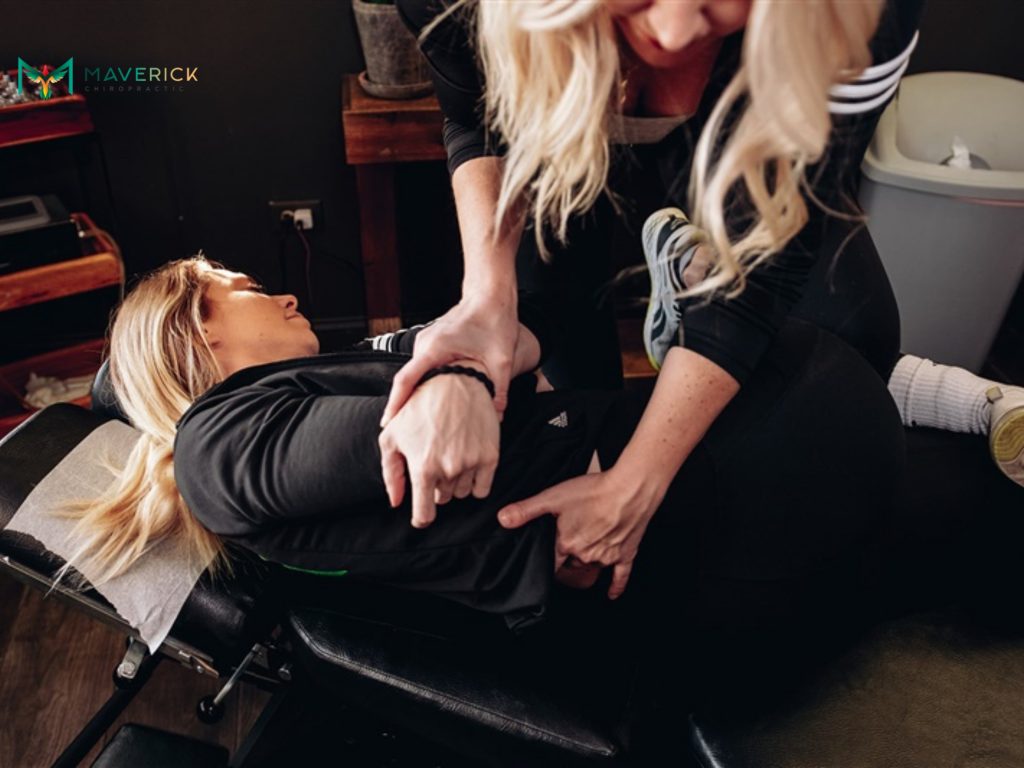
Gentle, controlled manual adjustments may help relieve pressure in joints affected by the spinal curve. While adjustments won’t straighten the spine, they may help improve spinal alignment and mobility, reducing discomfort caused by tight muscles and restricted movement.
Postural Exercises
Corrective movement strategies and custom exercises are often prescribed to strengthen weak areas and retrain postural patterns. These exercises can improve symmetry, reduce strain on the spine, and help patients maintain more functional alignment.
Myofascial Release and Soft Tissue Therapy
Tight muscles on one side of the spine and overworked muscles on the other are common in scoliosis patients. Soft tissue therapies such as trigger point release or stretching may help reduce muscle tension, alleviate pain, and restore balance.
Monitoring and Co-Management
For scoliosis patients especially children or teens, close monitoring is essential. Work with an orthopedic specialist or primary care physician when needed to ensure the curve is not worsening and that care plans are appropriate.
Is Chiropractic Safe for People with Scoliosis?
Yes, when performed by a licensed, experienced chiropractor, scoliosis treatment is generally considered safe. Chiropractic adjustments and therapies are non-invasive and drug-free, which makes them a good fit for individuals seeking conservative approaches to symptom management.
However, it’s important to have a thorough evaluation and diagnosis before starting treatment. Not all scoliosis cases are the same, and treatment plans should be customized based on X-rays, posture analysis, and the degree of spinal curvature.
At Maverick Chiropractic, we conduct a comprehensive consultation and physical exam to determine whether chiropractic care is appropriate and safe for your scoliosis case.
Must Read: Benefits of Soft Tissue Therapy
Who Might Benefit Most from Chiropractic Care?
Chiropractic care may be beneficial for individuals who:
- Have mild to moderate scoliosis
- Are experiencing chronic back or neck pain
- Struggle with muscle stiffness or fatigue
- Want to avoid or delay more invasive interventions
- Are under the care of a medical provider and want complementary support
- Are adults with degenerative scoliosis or postural issues
In some cases, chiropractic care may not be recommended as a stand-alone treatment — especially for children with rapidly progressing curves. In those situations, we work closely with specialists to co-manage care.
What Results Can You Expect?
Chiropractic care is not a cure for scoliosis, but it may help reduce discomfort, improve mobility, and support better posture. Results vary based on:
- The severity and type of scoliosis
- The age and health of the patient
- Whether care is combined with other therapies
- How consistently exercises and lifestyle recommendations are followed
Some patients report less pain, more energy, and better flexibility after several weeks of chiropractic care. Others notice improved function and posture over time with consistent treatment and exercise.
Final Thoughts
Scoliosis can be a challenging condition to live with but you don’t have to go it alone. While chiropractic care isn’t a fix for spinal curvature, it may help relieve symptoms, enhance function, and support overall spinal health. If you’re living with scoliosis and looking for conservative options to stay active and pain-free, chiropractic care may be worth considering. At Maverick Chiropractic, we specialize in customized, gentle care plans for individuals dealing with scoliosis and other spinal conditions. If you’re curious whether chiropractic might be right for you, call us to schedule a consultation with our team today.