
You go for a run. At first, everything feels fine. Then you notice a dull ache along the front of your lower leg. The next day, the pain gets worse. It hurts when you walk, climb stairs, or try to run again. This is how shin splints usually begin.
Shin splints are one of the most common running injuries. They affect athletes, runners, dancers, and even people who suddenly increase their activity level. While the pain may seem small at first, ignoring it can lead to more serious problems.
At our Naperville chiropractic clinic, we help active adults recover from shin splints safely and quickly. This guide explains what shin splints are, what causes them, the symptoms to watch for, and the best treatment options available.
What Are Shin Splints?
Shin splints is the common name for medial tibial stress syndrome. It refers to pain along the inner edge of the shin bone, which is called the tibia.
Your tibia is the large bone in the front of your lower leg. Muscles, tendons, and connective tissues attach along this bone. When these tissues become irritated from overuse or stress, they cause pain along the shin.
Shin splints are not a broken bone. They are usually caused by repeated stress on the muscles and tissues around the tibia. However, if ignored, they can develop into stress fractures.
Common Causes of Shin Splints
Shin splints usually develop when activity increases too quickly or when the lower leg is under repeated stress.
Common causes include:
- Sudden increase in running distance or intensity
- Running on hard surfaces such as concrete
- Wearing worn-out or unsupportive shoes
- Weak calf or ankle muscles
- Tight calf muscles
- Poor running form
- Flat feet or poor arch support
- Returning to sports too quickly after a break
Runners and athletes are most at risk, but beginners who start a new fitness routine can also develop shin splints.
Shin Splints Symptoms
The symptoms of shin splints often start mild and gradually worsen. Common shin splints symptoms include:
- A dull ache along the inner shin
- Tenderness when pressing on the lower leg
- Mild swelling in the area
- Pain that starts during exercise and improves with rest
- Pain that returns and becomes stronger with continued activity
As the condition worsens, the pain may become sharper and may continue even after exercise stops.
If the pain becomes very localized to one small spot or is severe with walking, it may indicate a stress fracture, which needs medical attention.
How Shin Splints Feel
Many patients describe shin splints as a deep aching pain that runs along the lower leg. The discomfort often feels worse at the beginning of a run and may ease slightly as the muscles warm up. After the activity ends, the pain often returns.
If you press along the inside of your shin and feel tenderness over a broad area, shin splints may be present.
Risk Factors for Shin Splints
Certain factors increase your risk:
- High-impact sports
- Sudden changes in training routine
- Poor footwear
- Flat feet or high arches
- Weak hip or core muscles
- Tight calves
- Poor ankle mobility
When the muscles in your hips and core are weak, extra stress shifts to the lower leg. This is why shin splints are often connected to movement imbalances higher up in the body.
Treatment for Shin Splints
Early treatment helps prevent worsening pain and stress fractures. Shin splints treatment usually includes:
- Rest: Reducing or temporarily stopping high impact activity allows tissues to calm down.
- Ice: Applying ice for short periods helps reduce pain and inflammation.
- Compression: A compression sleeve can provide mild support and reduce swelling.
- Stretching: Gentle calf and shin stretches improve flexibility and reduce tension.
- Strengthening: Strengthening exercises for the calves, ankles, hips, and core reduce future strain.
- Footwear correction: Supportive shoes or custom orthotics may improve alignment and reduce stress.
- Gradual return to activity: Returning to running slowly prevents reinjury.
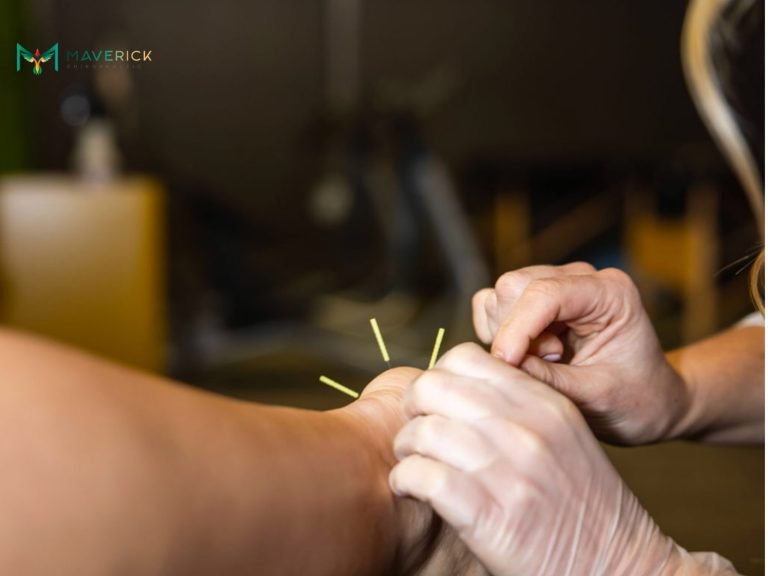
At Maverick Chiropractic, our chiropractors in Naperville focus on correcting the root cause. This may include chiropractic adjustments to improve ankle and hip alignment, soft tissue therapy to reduce muscle tension, and a customized rehab plan to rebuild strength.
When to See a Professional
You should seek professional care if:
- Pain does not improve with rest
- Pain becomes sharp and focused in one area
- Walking becomes painful
- Swelling increases
- The pain keeps returning
Early evaluation prevents long term complications.
Prevention Tips for Shin Splints
Preventing shin splints is often easier than treating them.
- Increase activity gradually
- Replace running shoes regularly
- Warm up before exercise
- Stretch calves and hamstrings after workouts
- Strengthen hips and core muscles
- Avoid sudden changes in terrain
- Cross train to reduce repetitive stress
Strong and balanced muscles protect the lower leg from overload.
How Maverick Chiropractic Helps Treat Shin Splints in Naperville
Our chiropractors provide treatment for shin splints in Naperville through:
- Careful movement assessment
- Chiropractic adjustments to improve ankle, knee, and hip alignment
- Soft tissue therapy to release tight muscles
- Personalized stretching and strengthening programs
- Running form analysis
- Guidance on footwear and activity progression
- Referrals for imaging if a stress fracture is suspected
We help runners, athletes, and active adults return to pain-free activity safely and confidently. Call our office today and let our experienced team guide you back to a strong and healthy movement.
Final Takeaway
Shin splints are common, especially in runners and active adults. The pain often starts small but can quickly become a bigger problem if ignored. Early care, proper rest, and guided strengthening make a major difference in recovery.
If you are in Naperville and struggling with lower leg pain, Maverick Chiropractic is here to help. Our team focuses on identifying the root cause and building a plan that gets you back to activity safely.
Book your appointment today and take the first step toward pain free movement!