
Piriformis syndrome can cause a deep, aching pain in the buttock that may spread into the hip or down the back of the leg. For some people, the pain starts after exercise or an injury. For others, it gradually develops from long periods of sitting, repetitive activity, muscle tightness, or poor movement patterns.
Because the piriformis muscle sits deep in the buttock near the sciatic nerve, irritation or tightness in this area can sometimes place pressure on the nerve and produce symptoms that feel similar to sciatica. You may notice pain when sitting, walking, climbing stairs, running, squatting, or getting up from a chair.
At Maverick Chiropractic, we provide personalized piriformis syndrome treatment in Naperville focused on identifying what is contributing to your pain, reducing irritation around the affected tissues, restoring hip and pelvic mobility, and improving the strength and movement patterns that support long-term recovery.
If deep buttock pain, hip tightness, or pain traveling down your leg is keeping you from moving comfortably, call 331-302-9039 to schedule an evaluation at Maverick Chiropractic today.
Book A Piriformis Syndrome Evaluation
Chiropractor For Piriformis Syndrome in Naperville

If you are looking for a piriformis syndrome chiropractor in Naperville, the first step is determining whether the piriformis muscle is actually contributing to your symptoms.
Piriformis syndrome can resemble other conditions, including lumbar disc problems, spinal stenosis, sacroiliac joint dysfunction, hamstring injuries, and other causes of sciatic-type pain. A proper evaluation is important before beginning treatment.
At Maverick Chiropractic, we evaluate the lower back, pelvis, hips, surrounding muscles, and movement patterns to better understand where your symptoms may be coming from.
Your chiropractic treatment for piriformis syndrome in Naperville may include:
- Chiropractic adjustments to improve mobility in restricted areas of the lower back, pelvis, and hips
- Soft tissue therapy and myofascial release to address tension in the piriformis and surrounding gluteal muscles
- Corrective exercises to improve hip strength, stability, and movement
- Piriformis stretching and mobility work when appropriate
- Rehabilitation exercises to strengthen the glutes, hips, and core
- Movement and posture recommendations to reduce activities that continue irritating the area
The goal is not simply to work on the painful spot. We look at the way the lower back, pelvis, hip, and surrounding muscles are functioning together so we can build a treatment plan around the factors contributing to your symptoms.
About Piriformis Syndrome
What is Piriformis Syndrome?
Piriformis syndrome is a condition in which the piriformis muscle, located deep in the buttock, irritates or compresses the nearby sciatic nerve.
The piriformis connects the lower portion of the spine to the upper part of the thigh bone and helps stabilize and rotate the hip. When the muscle becomes tight, irritated, injured, or overloaded, it may cause deep gluteal pain and sometimes numbness, tingling, or pain that travels down the leg.
Piriformis syndrome is also sometimes discussed as part of deep gluteal syndrome, a broader term used for sciatic nerve irritation or entrapment within the deep gluteal region.
Because symptoms can look similar to traditional sciatica caused by the lower back, identifying the source of the problem is an important part of treatment.
Piriformis Syndrome Causes
Piriformis syndrome can develop when the piriformis muscle or surrounding tissues become irritated, tight, or overloaded. Common contributing factors may include:
- Sitting for long periods
- Running or repetitive lower-body exercise
- Cycling
- Climbing stairs or hills
- Sudden increases in training intensity
- Hip or buttock injuries
- Muscle imbalances around the hips and pelvis
- Weak gluteal or core muscles
- Repetitive twisting or rotational movements
- Poor movement mechanics
- Direct trauma to the buttock
Athletes, runners, cyclists, people with desk jobs, and anyone who spends long periods driving or sitting may be more likely to develop symptoms. The cause is not always one isolated issue. In many cases, several factors involving the hip, pelvis, lower back, and surrounding muscles contribute to the irritation.
Piriformis Syndrome Symptoms
The most common symptom is pain deep in one buttock. Other piriformis syndrome symptoms may include:
- Deep gluteal or buttock pain
- Soreness or tenderness in the buttock
- Pain that travels into the back of the thigh
- Sciatic-type pain extending down the leg
- Tingling or numbness in the leg
- Hip tightness
- Pain when getting up from a chair
- Pain after sitting for long periods
- Discomfort while driving
- Pain while walking, running, or climbing stairs
- Symptoms that worsen with squatting or certain hip movements
Symptoms may be localized to the buttock or may extend farther down the leg when the sciatic nerve becomes irritated. Prolonged sitting, stair climbing, squatting, and certain repetitive activities are commonly reported aggravating factors.
Why Choose Maverick Chiropractic For Spondylolisthesis Treatment?
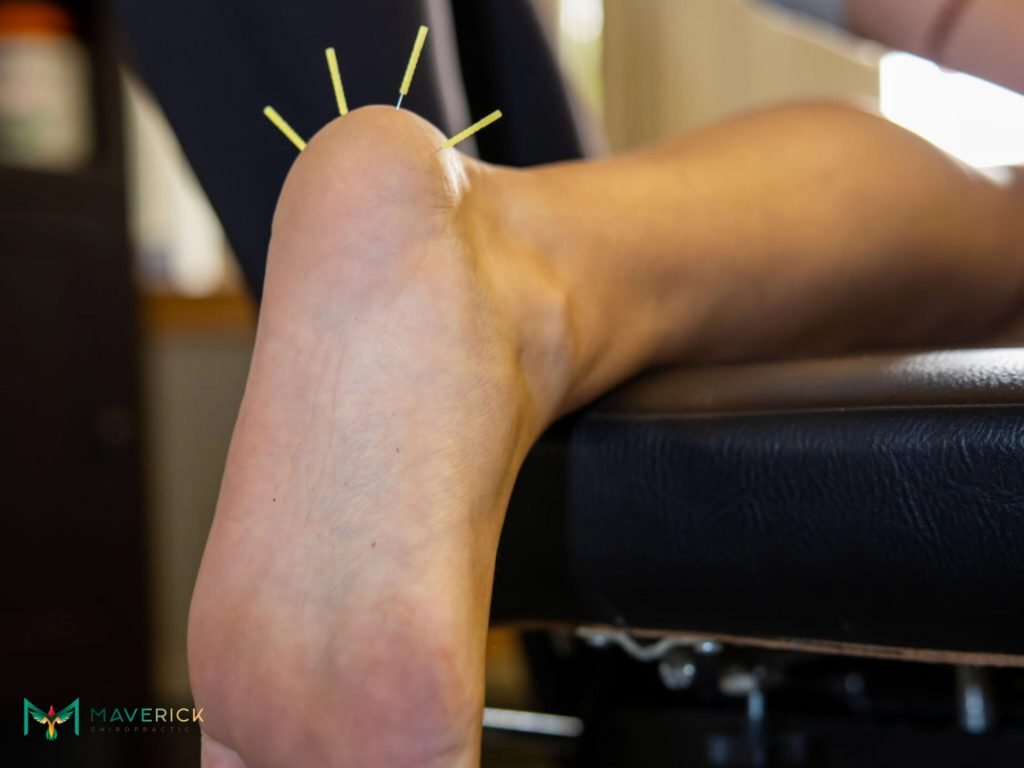
At Maverick Chiropractic, our focus is not simply on where you hurt. We look at why the area may be irritated and how your lower back, pelvis, hips, and muscles are working together. Patients choose our Naperville chiropractic clinic for piriformis syndrome care because we provide:
- Personalized treatment based on your evaluation
- Conservative, nonsurgical care
- Chiropractic adjustments when appropriate
- Soft tissue and myofascial techniques
- Corrective exercise and rehabilitation
- Movement and posture recommendations
- Treatment focused on restoring mobility and function
- Care for active adults, athletes, runners, and people dealing with recurring pain
Our goal is to help you move more comfortably, return to normal activity, and reduce the movement problems that may contribute to recurring symptoms.
Frequently Asked Questions
What is piriformis syndrome?
Piriformis syndrome occurs when the piriformis muscle deep in the buttock irritates or compresses the nearby sciatic nerve. It may cause deep buttock pain, hip discomfort, tingling, numbness, or pain that travels down the back of the leg.
What does piriformis syndrome feel like?
Piriformis syndrome often feels like a deep ache, tightness, burning, or tenderness in one buttock. Symptoms may worsen with sitting, driving, walking, running, climbing stairs, squatting, or certain hip movements.
Where does piriformis syndrome hurt?
Pain usually begins deep in one buttock and may extend into the hip, back of the thigh, or farther down the leg. Some people also experience tingling, numbness, or burning when the sciatic nerve is irritated.
Is piriformis syndrome the same as sciatica?
No. Sciatica describes pain or other symptoms caused by irritation of the sciatic nerve. Piriformis syndrome is one possible cause of sciatic-type symptoms because the piriformis muscle can irritate the sciatic nerve in the buttock. Sciatica may also originate in the lower back.
What causes piriformis syndrome?
Piriformis syndrome may be related to prolonged sitting, repetitive running or cycling, sudden increases in exercise, direct injury to the buttock, hip or gluteal muscle tension, weakness around the hips, or movement problems involving the lower back and pelvis.
Does sitting make piriformis syndrome worse?
It can. Sitting for long periods or driving may place pressure on the piriformis and surrounding deep gluteal tissues. Taking movement breaks, changing positions, and addressing the underlying mobility or strength problems may help reduce irritation.
Can a chiropractor help with piriformis syndrome?
A chiropractor may help when piriformis symptoms are related to restricted movement, muscle tension, hip or pelvic dysfunction, or irritation around the sciatic nerve. Treatment may include chiropractic adjustments, soft tissue therapy, mobility work, stretching, and corrective exercises.
What treatment is used for piriformis syndrome?
Conservative treatment may include activity modification, chiropractic care, soft tissue therapy, stretching, hip and core strengthening, mobility exercises, and rehabilitation. Your treatment plan should be based on an evaluation because buttock and leg pain can have several possible causes.
How long does piriformis syndrome last?
Recovery time depends on the cause, severity, duration, and whether aggravating activities continue. Some cases improve within several weeks with appropriate conservative care, while persistent or recurring symptoms may require a more detailed evaluation and longer rehabilitation plan.
Schedule Your Evaluation For
Piriformis Syndrome Treatment Today!
Deep buttock pain can make sitting, exercising, driving, and even walking uncomfortable. You do not have to keep guessing whether the problem is your piriformis, hip, lower back, or sciatic nerve.
At Maverick Chiropractic, we provide treatment for piriformis syndrome in Naperville focused on identifying the factors contributing to your symptoms and helping you restore comfortable movement. Whether you are dealing with piriformis syndrome, deep gluteal pain, or recurring sciatic-type symptoms, our team can evaluate your movement and develop a treatment plan based on your needs.
Call 331-302-9039 or book your appointment online to schedule an evaluation with a chiropractor for piriformis syndrome in Naperville today.
What are the patients saying
I HIGHLY recommend getting all your chiropractic needs solved here! They also have the cutest dog, Bear who is always there making the atmosphere calm and homey!